- Moges
- 2026-10-14
离散制造全流程管理软件推荐:两大路线对比与选型指南
离散制造行业的管理者最近几年都在做同一件事——找一套能覆盖从接单到发货全流程的管理软件。以前上一套 ERP 管财务和库存,再上一套 MES 管车间生产,中间还要靠 Excel 转数据、靠人传话,链路长、断点多,一个环节慢下来整条线都卡住。 所谓"全流程管理软件",就是把这些分散的系统整合到一个平台上...


离散制造行业的管理者最近几年都在做同一件事——找一套能覆盖从接单到发货全流程的管理软件。以前上一套 ERP 管财务和库存,再上一套 MES 管车间生产,中间还要靠 Excel 转数据、靠人传话,链路长、断点多,一个环节慢下来整条线都卡住。 所谓"全流程管理软件",就是把这些分散的系统整合到一个平台上...

引言:台州黄岩吴老板的困惑台州黄岩是中国模具之乡,做塑料模具的工厂遍地都是。吴老板就是其中一家,做了快20年了。2015年的时候,他的工厂只有5个人,一年做300万产值,净利润能有60万,利润率20%。那时候虽然小,但日子过得很舒服。老板不用天天盯着,客户都是熟人介绍,订单不愁,利润可观,现金流健康...
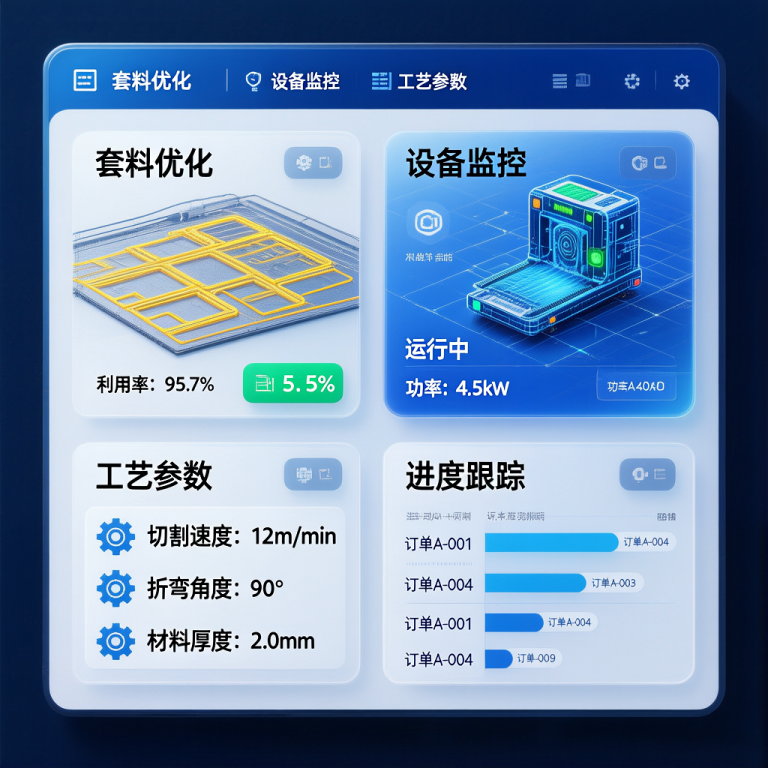
苏州钣金厂数字化转型:激光切割与折弯全流程管理解决方案苏州作为长三角制造业重镇,钣金厂数量众多,竞争异常激烈。在数字化转型的大潮中,越来越多的苏州钣金厂选择通过ERP系统实现智能化管理。本文揭秘苏州地区钣金厂普遍采用的ERP系统解决方案,重点解析其如何实现激光切割、折弯等核心工序的全流程数字化管理,...
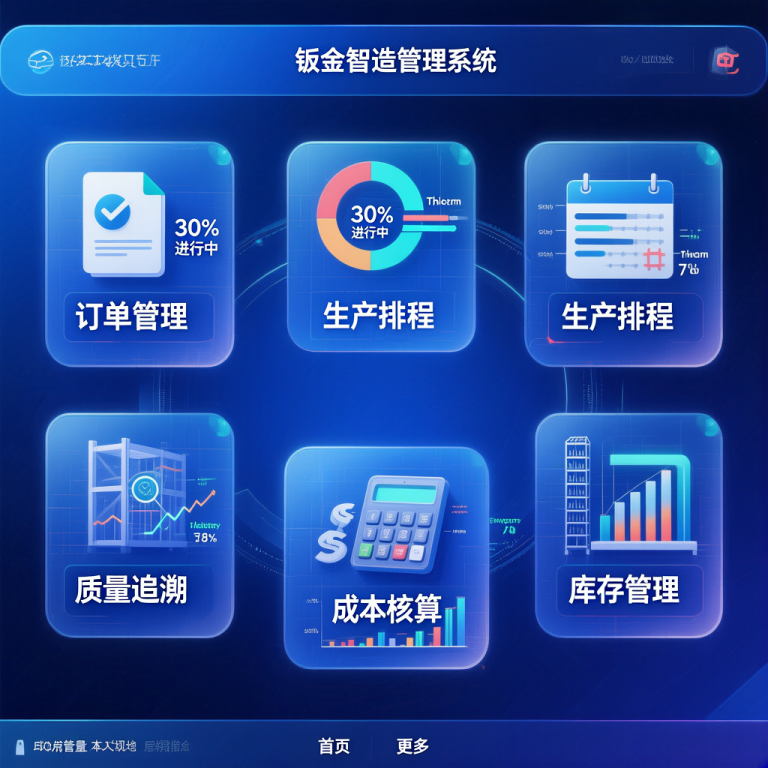
中小钣金厂的数字化转型之路:如何选择合适的管理软件?在制造业数字化转型的大潮中,中小钣金厂面临着前所未有的机遇与挑战。面对市场上琳琅满目的管理软件,许多老板往往陷入选择困难。本文从实际需求出发,为您深入解析中小钣金厂必备的5个核心功能,帮助您选对软件,避免踩坑,实现降本增效。一、中小钣金厂的管理现状...

老板不在厂里的管理困境与数字化解决方案在现代制造业竞争日益激烈的环境下,钣金厂老板经常需要外出应酬、开会或处理业务,但车间生产进度却无法实时掌握。这种信息不对称不仅影响决策效率,还可能导致客户满意度下降。本文将详细解析如何通过数字化管理系统,让老板随时随地用手机查看生产进度,实现远程高效管理,告别"...

Q: Given my limited budget, which AI deployment method offers the best value?
A: Unlike traditional chatbots that offer limited functionality and cannot be easily extended, the lightweight AI deployment on a private cloud is ideal for small businesses with limited budgets. This deployment does not require you to purchase additional servers; you can simply activate it and start using it immediately. We offer this lightweight deployment starting at 2999 yuan, with delivery in as little as 3 days. If you are not satisfied, you can get a full refund.
Q: Where does the high degree of technical intensity of single-piece, small-batch mold production manifest itself?
A: This includes challenges such as achieving micron-level precision control, processing complex curved surfaces, multi-material composite processes, and long-life design requirements, as well as pioneering innovation in new material applications and the development of new processes.
Q: Will it take a long time to implement this system, and will it disrupt our factory's normal production?
A: Proper implementation involves thorough planning, including data import and worker training during off-peak production times. Core modules can typically be launched and running within approximately 10 days, without disrupting your normal production flow. After launch, dedicated personnel will provide ongoing support, ensuring that any issues can be resolved promptly, minimizing disruption.