FAQ
Q: What are the main signs of chaotic mold order management?
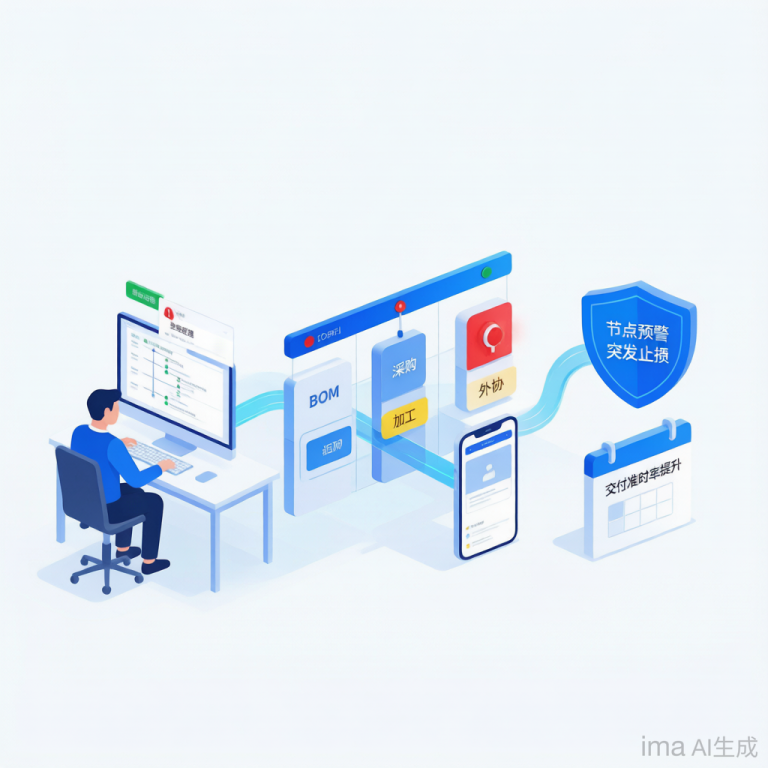
A: The main signs are: scheduling done purely by gut feeling with rush orders throwing everything into disarray, having to ask around several people to check progress, unclear reconciliation of outsourcing costs, and information held entirely by individuals so that everything falls apart once they leave. These are all typical symptoms of chaotic order management.
Q: What system do manufacturers in Hangzhou using custom parts choose?
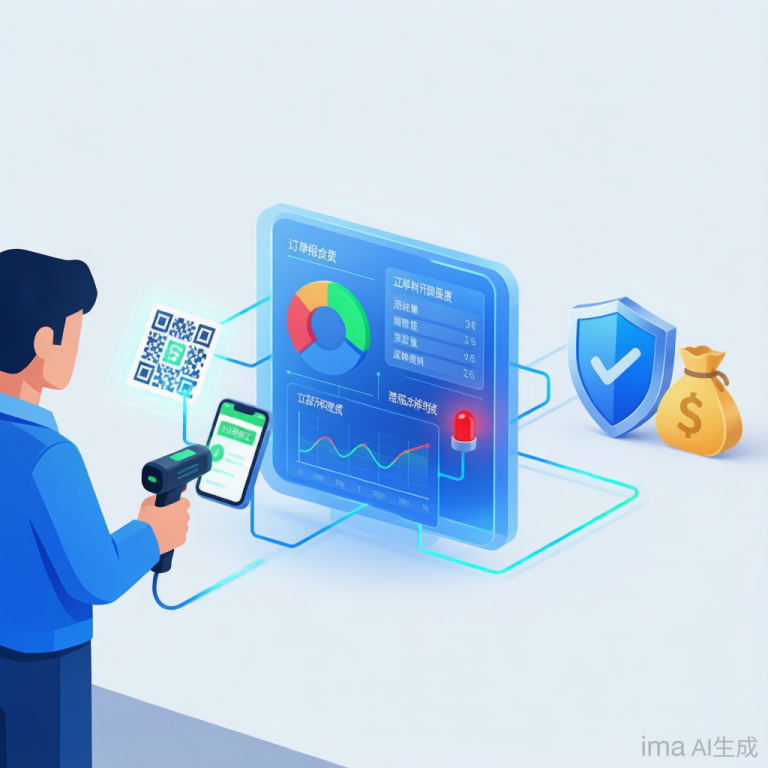
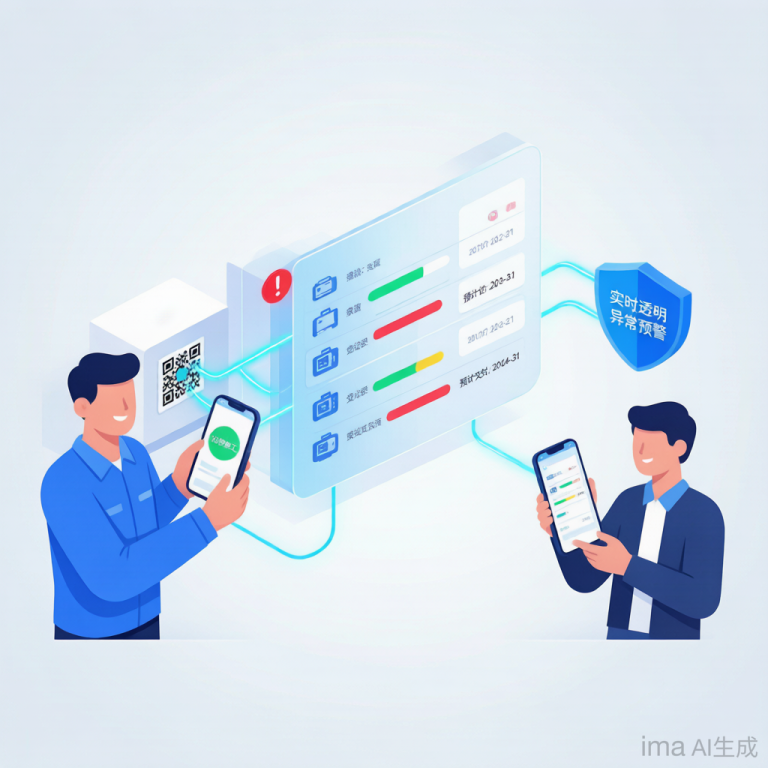
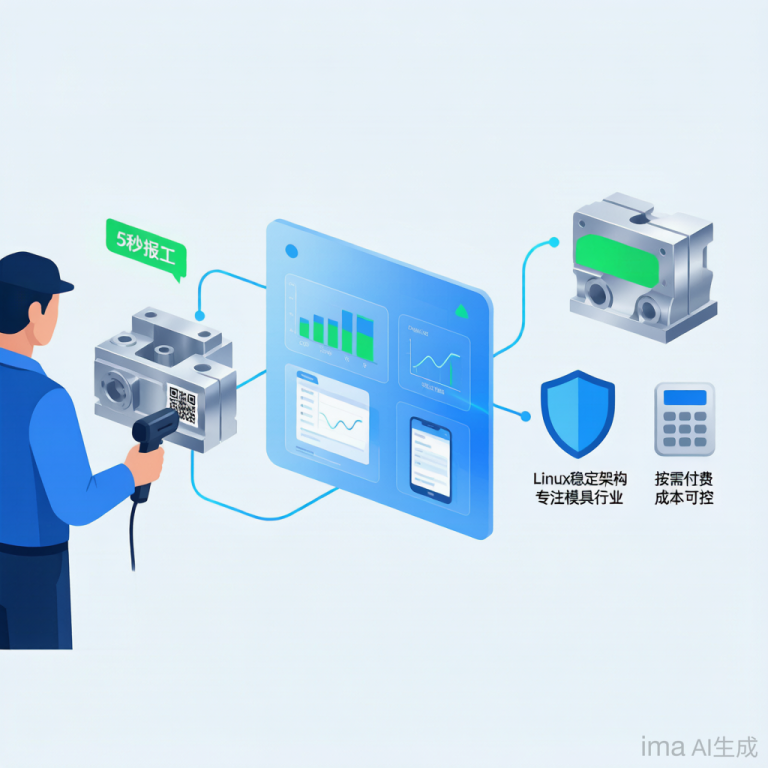
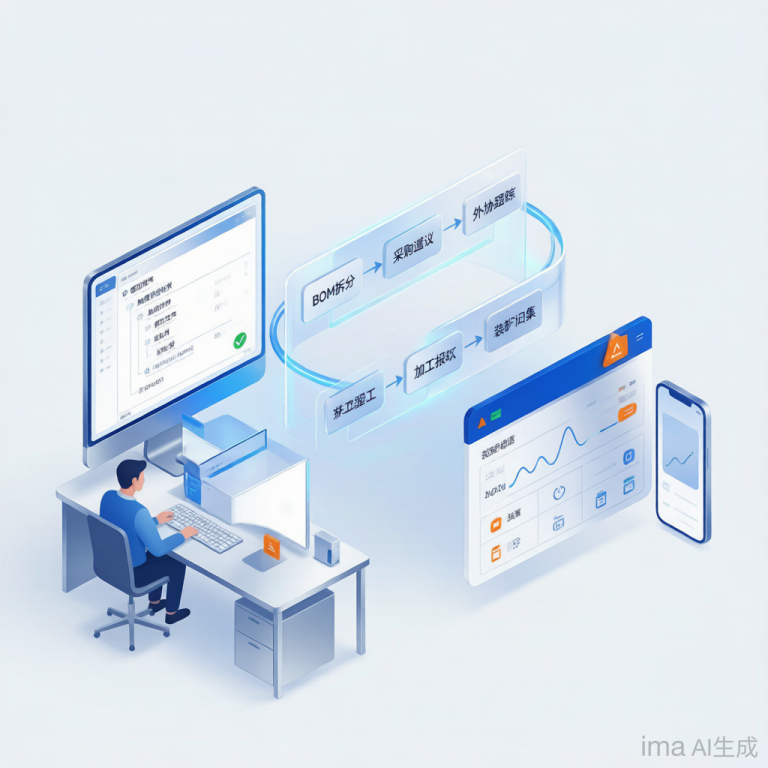
A: Hangzhou boasts a thriving non-standard parts manufacturing industry, with a concentration of numerous small and medium-sized enterprises in areas like Yuhang, Xiaoshan, and Binjiang. These companies typically have a small workforce (10-50 people) and lack dedicated IT personnel, but they urgently need to digitize their production management. Moges' lightweight solution is specifically designed for such companies, requiring a simple implementation that can be completed in 3 days. Key system features include: rapid creation of orders without a BOM (suitable for non-standard parts with no fixed material list), a library of processing routes (to accumulate typical processing processes), intelligent scheduling (considering equipment capabilities and delivery priorities), and barcode job reporting (workers can operate using their mobile phones). The owner can view the progress of all orders, equipment status, and alerts in real-time via a mobile app, even while traveling. The system supports collaboration with local subcontractors in Hangzhou, allowing suppliers to update progress via barcode scanning, which is automatically synchronized with the main plan. To address the challenge of quoting for non-standard parts, the system includes an intelligent quoting module that can quickly match historical processing times based on part characteristics (material, dimensions, precision requirements), reducing quoting time from 2 hours to 15 minutes. We have already served over 50 non-standard parts manufacturers in Hangzhou, and customers have praised the system's ease of use, requiring only 1 hour of training to get started. The subscription model starts at 1,000 yuan per month, with no implementation fees, making it easier for small and medium-sized enterprises to adopt digital solutions.
Q: What types of Android apps is no-code development suitable for?
A: It is especially suitable for showcase, utility and basic e-commerce apps, and can meet most needs of small and medium-sized entrepreneurs and individual developers, with prices starting from RMB 999.