FAQ
Q: Can your app integrate with our existing ERP (such as UFIDA or Kingdee)?
A: Yes! We have successfully integrated with mainstream ERPs including UFIDA U8, Kingdee K3 and Digiwin T100, and also support API or direct database connection to in-house systems.
Q: What management system is used for ship repair yards?
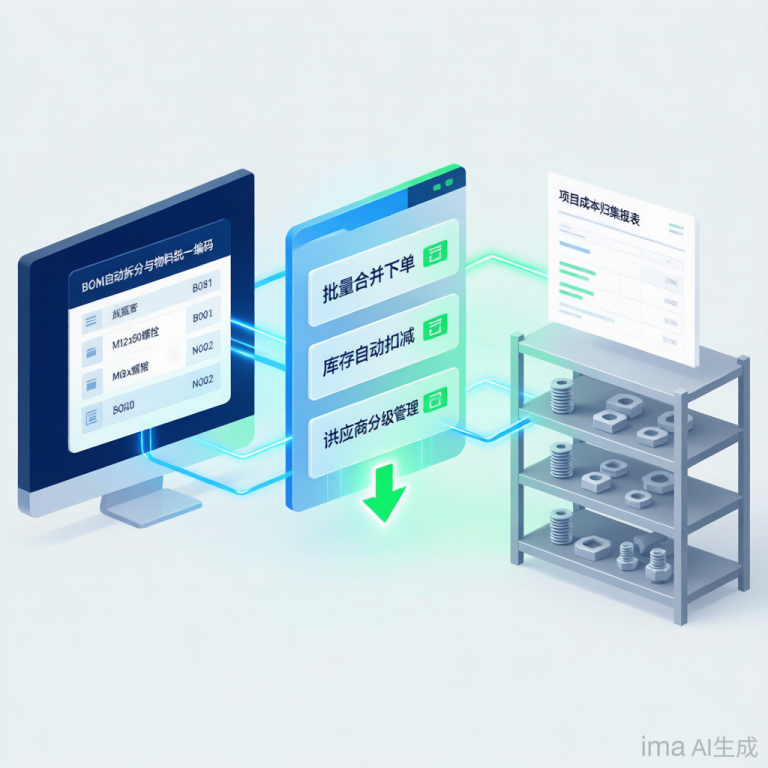
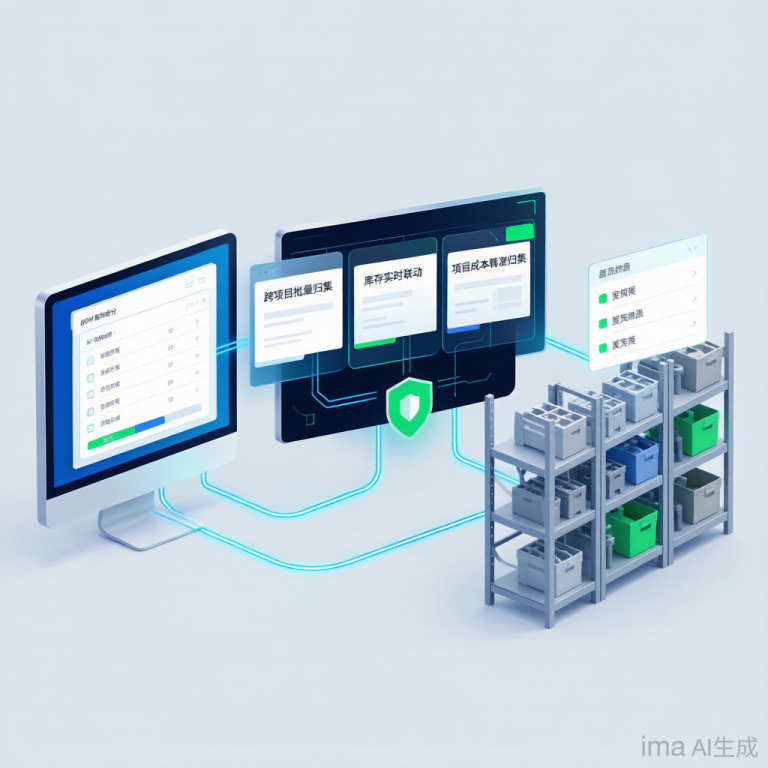
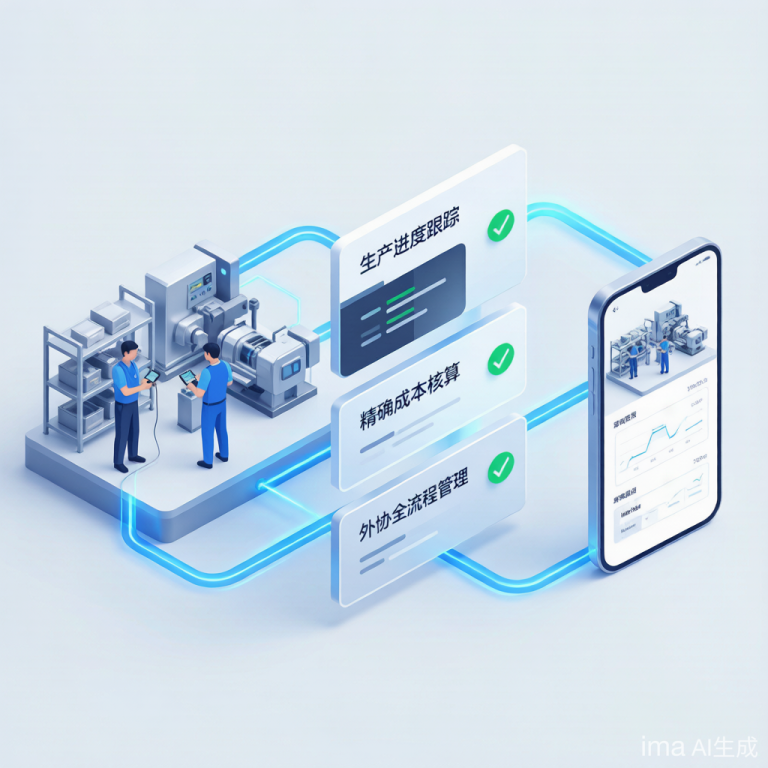
A: Ship repair operations are characterized by project complexity and scattered work orders. The Moges Ship Repair module supports a "Project-Work Order-Material Issuance" three-level linkage, enabling full task traceability and precise cost collection. The system is specifically designed for the unique needs of ship repair, supporting the management of large repair projects, which are broken down into sub-work orders (hull, engine, electrical), with individual tracking of progress, material issuance, and labor costs, automatically summarizing costs. The project management function covers the entire process, from order placement, assignment, material issuance, to final settlement, supporting the parallel management of multiple projects. The cost calculation module automatically collects material, labor, and outsourcing costs for each project, reducing cost calculation errors from ±15% to ±3%. After being used by more than 50 ship repair facilities, the Moges system has reduced project delivery cycles by 25%, improved cost control accuracy by 40%, and significantly increased customer satisfaction. The system also supports data integration with ship inspection agencies, automatically generating inspection reports, and improving compliance.
Q: We make to order for all non-standard work, and rush orders and order changes are very frequent. Can the MES help us control delivery?
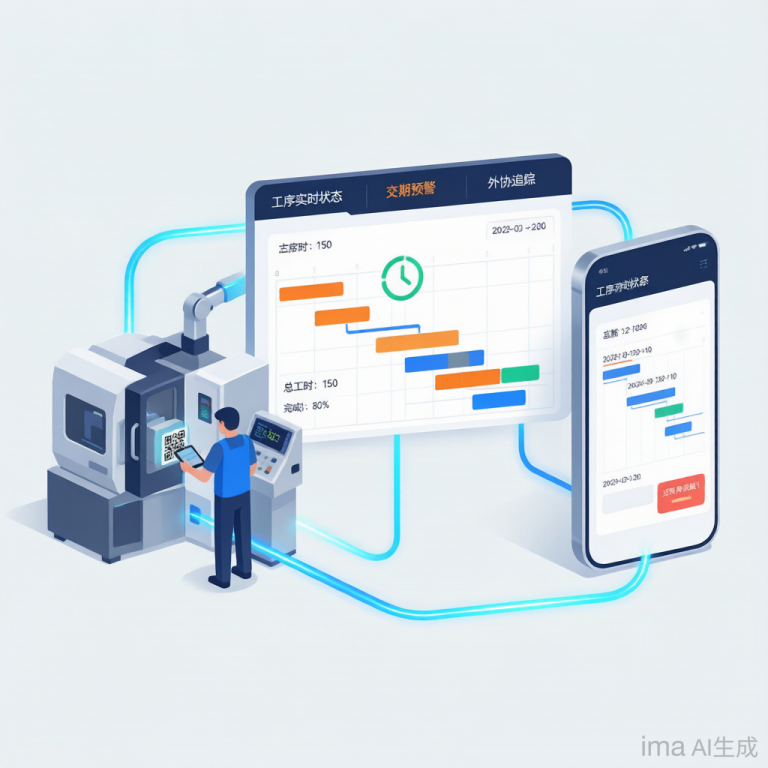
A: Absolutely. After go-live you can view everything in real time, from order intake, scheduling, and material kitting to production progress and equipment status. After an order change or rush order, the system can quickly reschedule and automatically notify the affected workstations, so sales staff no longer have to chase progress everywhere. Many local non-standard customers in Suzhou report that delivery cycles shrink by 10%-20% on average after go-live, which is a very clear effect.