FAQ
Q: How to create a production plan without a BOM?
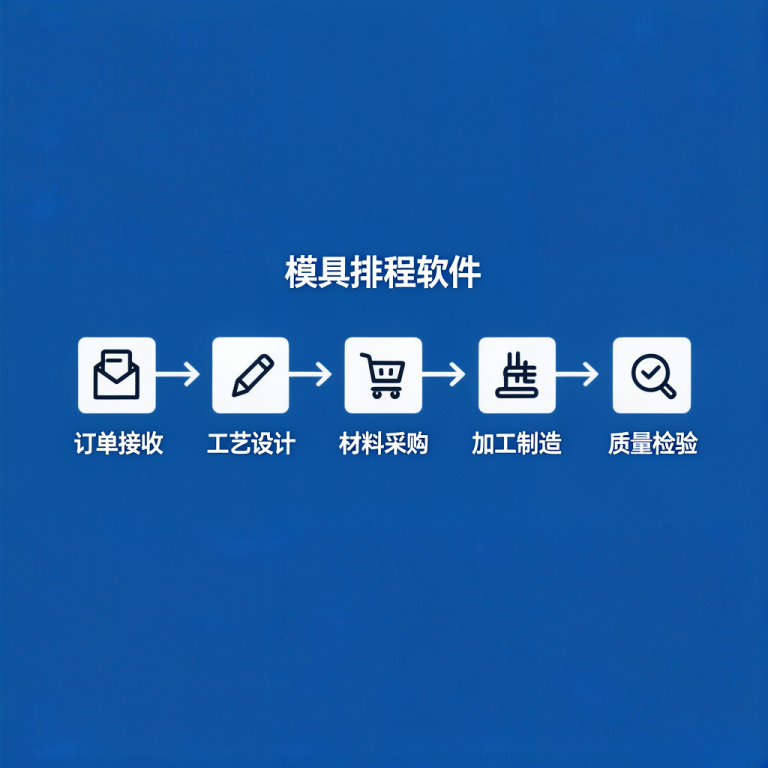
A: Moges supports the "Process Template" mode – even without a BOM, you can quickly generate tasks by reusing historical process routes, improving planning efficiency by 70%. This is particularly suitable for custom machining shops. The system allows for direct task assignment based on processes, bypassing BOM maintenance. This is especially beneficial for repair, custom, and single-piece production scenarios. The "Process Route Library" feature helps companies establish and maintain a typical process library, including standard process times, equipment requirements, and quality standards. New orders can be quickly referenced. The system also supports temporary addition or removal of processes, allowing for flexible adaptation to production changes. In practical application, the Moges "no BOM" mode has reduced planning preparation time from an average of 2 hours to 30 minutes, and increased planning accuracy to over 95%. Currently, over 200 custom manufacturing companies have successfully implemented this feature, resulting in an average increase in production efficiency of 25%.
Q: A small factory gets chaotic once orders pile up. Is Excel enough to manage production?
A: If there are few orders and the processes are simple, Excel can hold up for a while, but once rush orders, rework or outsourcing appear, versions easily get messy. A low-cost tool should first put orders, processes, delivery dates and progress in one place for viewing, so the boss does not have to chase progress by asking people every day. We suggest starting with three things: an order progress sheet, process flow, and exception records, rather than launching a complex system right away. Whether a tool is good depends on whether shop-floor technicians are willing to fill it in and whether supervisors can spot problems the same day.
Q: We can never estimate mold costs accurately when quoting customers. Can software with phone access calculate this automatically?
A: Certainly. The software automatically records the purchase cost, maintenance cost, repair cost, and cumulative output of each mold by category, and clear reports can be exported from both phone and computer. You can use the data directly when calculating costs and quoting, instead of having accounting dig through manual ledgers to piece numbers together. Both accuracy and efficiency are much higher.