- Moges
- 2012-08-13
The History and Future of KVM Virtualization Technology
In September 2008, Red Hat acquired a small Israeli company called Qumranet, thereby gaining access to a virtualization technology called KVM (KVM, sh...



In September 2008, Red Hat acquired a small Israeli company called Qumranet, thereby gaining access to a virtualization technology called KVM (KVM, sh...

Online marketing sells goods through a new marketing approach, so it naturally comes into conflict with traditional marketing. How does online marketi...

Introduction to Hadoop: a distributed system infrastructure developed by the Apache Foundation. Users can develop distributed programs without knowin...

MOGES Mold Production Management Software Test Platform Officially Launches, Helping Mold Enterprises Experience the New Paradigm of Intelligent Manuf...

Enterprise informationization, simply put, is the digitization of business processes such as production, logistics, transaction processing, financial ...
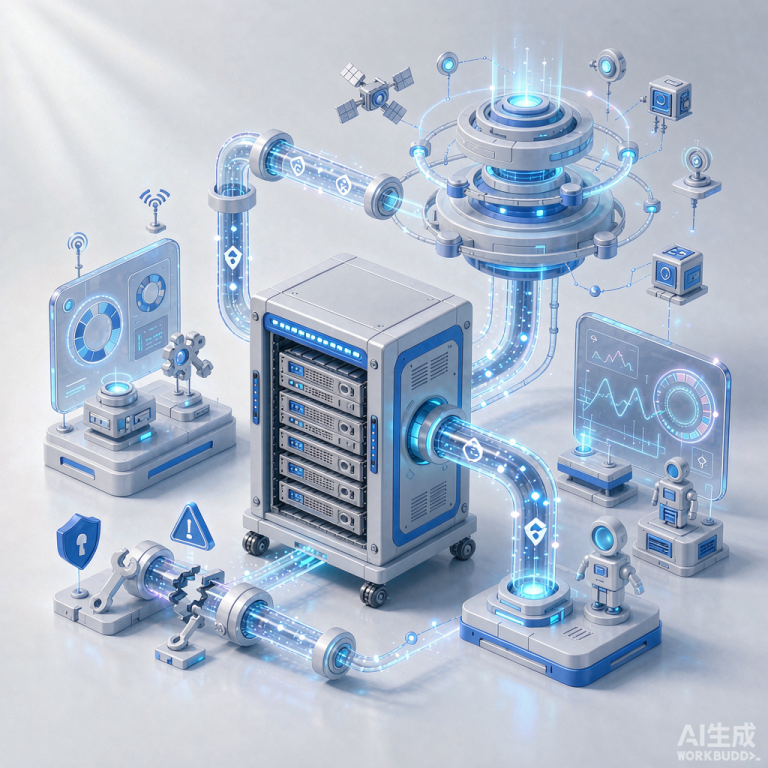
Carrying out enterprise informatization is a complex systems engineering undertaking. It requires not only heavy investment in software and hardware e...

Recently, Steve J. Felice, President of DELL Consumer Business, publicly stated that DELL is undergoing a global business strategy transformation, aba...
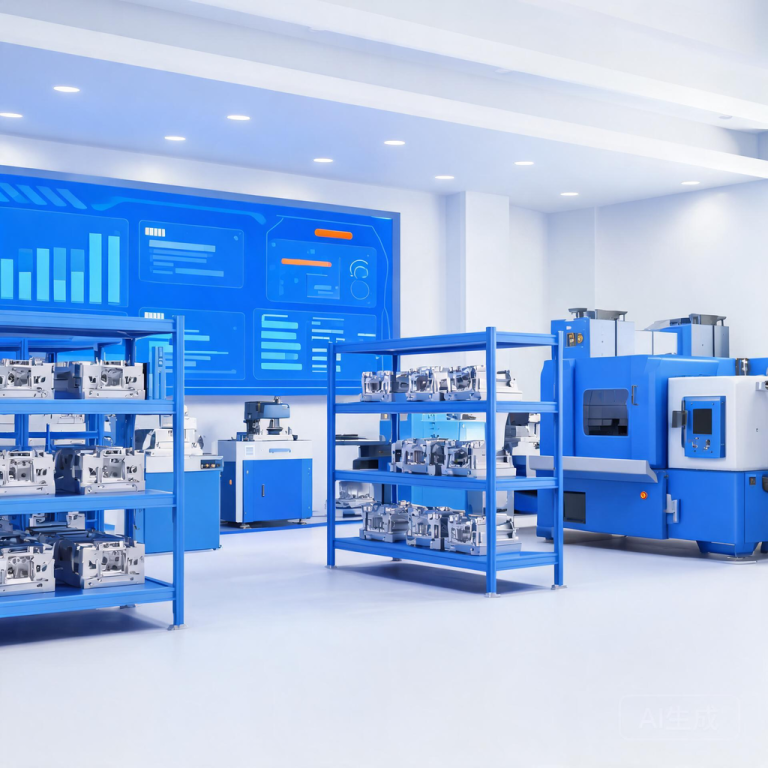
On June 27, 2012, Kunshan Moges Information Technology Co., Ltd. was officially registered and established. The company, which focuses on providing so...

Q: What are the three most common types of loose-part inventory chaos, and how can they be identified quickly?
A: The most common problems in loose-part inventory are the big three: finding parts, missing parts and wrong parts. Finding: the order is due for assembly but the key part cannot be located. Missing: the system shows stock but the shop floor searches for ages and finds nothing. Wrong: rework parts and accepted parts are stored together, so the wrong one is picked during assembly. A quick way to identify the problem is to look at what the boss asks most often every day: where is the part, why is it not there, and did we pick the wrong one.
Q: Our material calculations are often inaccurate: buying too much wastes money and buying too little delays the schedule. Can the system help here?
A: Yes. The system automatically calculates required quantities from the bill of materials (BOM) for hardware parts, and automatically deducts current warehouse stock to work out the actual purchase quantity. The calculated requirements are highly accurate, and after using it you will save a lot of unnecessary material waste.
Q: I only have a rough idea and do not know the specific features. Can you still quote?
A: Yes. We first help you sort out the user flow and core features, then give the corresponding app development cost breakdown. You do not need to think like a professional from the start; we will help you break down the requirements in plain terms. The basic plan starts at RMB 999, and a first draft plan can be delivered the same day at the fastest, with a full refund if you are not satisfied.


