How to Keep Nonconforming Products Under Control? The 5 Control Points of Exception Handling

In shops where nonconforming products are managed chaotically, the problem is not that "nobody is responsible for quality"; it is that the five gates ...

Still Talking About Quality Exceptions on WeChat? From Verbal Handover to QA Ticket Number Management

The "quality records" of most shops look like this: someone says a sentence on WeChat, posts a few photos in a group chat, and verbally calls out for ...

When Exception Types Are Not Classified, Quality Improvement Stays Based on Impressions

The first stumbling block in quality improvement is not technology but language: an issue found in-house is called a "ding", an issue coming back from...

A Shipment Went Wrong - How to Trace the Root Cause? Small Shops Rely on Work Order Numbers, Not Batches

Search for "quality traceability" and every article that comes up talks about batch management and batch recall - that is the logic of mass-production...

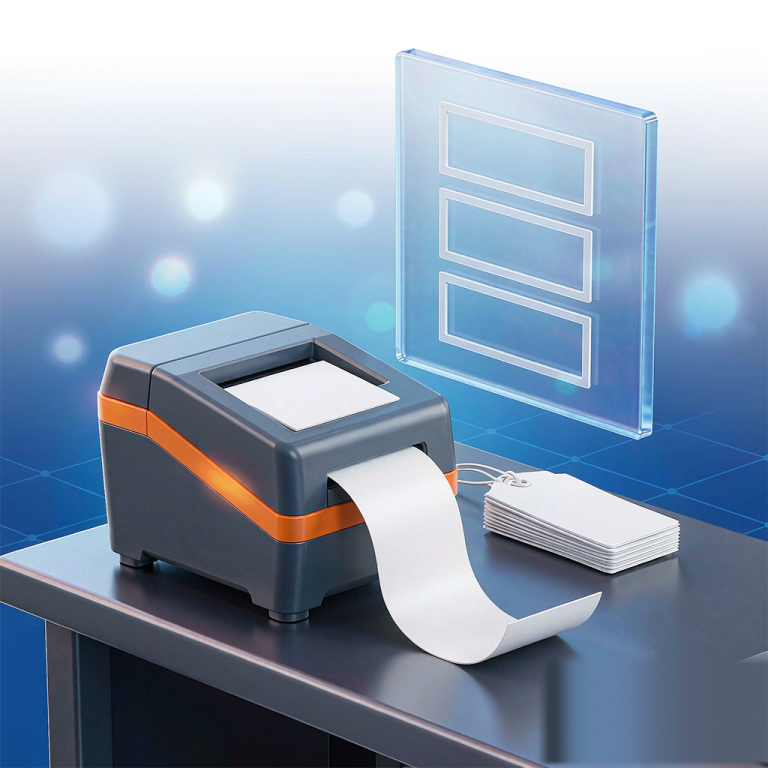
How to Print Workpiece Labels? From Handwriting to Barcode Labels

A label is the smallest document on the shop floor, and also the physical carrier of the information flow. Using the label printing module of Moges PM...

How to Manage Quality Anomalies? One Anomaly Sheet Completes Registration, Disposition and Handling

The hardest part of quality management isn't inspection — it's what happens after a problem is found: rework pieces circle the shop twice with no take...

Requisition, Purchase, Receive: Three Steps to End "Bought but Unused, Used but Unbought"

"Bought but unused; used but unbought" — these eight characters describe the two most typical wastes in small-factory purchasing. The root cause: dema...

Does Month-End Supplier Reconciliation Feel Like a Battle? See How One Statement Settles Five Amounts

The root of reconciliation pain is always the same: inconsistent basis. This article skips the preaching and goes straight against Moges PMS5's purcha...

How to Receive Goods Without Chaos? The Complete Closed Loop of Receiving Notes, Confirmed Receipts and Returns

In the purchasing flow, receiving is the most casually treated step — goods arrive, get carried in, done. This article skips the theory and goes strai...

How Do Purchase Orders Stay Clean Through Endless Changes? Amendment Sheets Keep Every Modification in Line

"Did anyone change the quantity on that batch of material?" "I think so, let me ask purchasing." — this kind of exchange happens daily in small and me...

Supplier Information Scattered Across Business Cards and WeChat? Build a Supplier File

Supplier management is a term that invites grand thinking, and many articles open with evaluation systems and tiered management. For a shop of a few d...

Purchasing Management for a Mold Shop: The Whole Flow from Requisition to Reconciliation

This article skips purchasing theory and covers one thing: how a purchasing module built for machining and mold shops breaks the chain from requisitio...

Contact Us

Now
Contact Us

We deliver professional solutions tailored to our customers' needs. Or share your valuable suggestions so we can improve and grow together!

Contact
Product & Service Inquiry

Free Online Consultation on Products & Solutions

Get a Quote

FAQ

Q: How much does custom development of a simple Android app cost? How long does it take?
A: Custom development of a simple display app starts at RMB 999, with the APK available the same day at the fastest. Standard utility apps start at RMB 1,499 with delivery in 1-3 days; basic e-commerce apps start at RMB 1,999 with delivery in 2-5 days. There are no hidden charges, and you get a full refund if you are not satisfied.

Q: Can your app integrate with our existing ERP (such as UFIDA or Kingdee)?
A: Yes! We have successfully integrated with mainstream ERPs including UFIDA U8, Kingdee K3 and Digiwin T100, and also support API or direct database connection to in-house systems.

Q: Is there a transparent system suitable for manufacturers using subcontractors?
A: Contract manufacturers face challenges in building customer trust and ensuring supply chain transparency. The Moges contract manufacturing transparency management system is specifically designed for contract manufacturers. It uses digital tools to build a bridge of trust between the brand owner and the contract manufacturer. The system provides core customers with a dedicated customer portal, allowing them to view detailed order progress information in real-time, including the current operation, estimated completion time, completed operations, quality inspection reports, and key data such as capacity utilization. The customer portal supports multi-level permission management, allowing different customer personnel to view information at different levels. The system also supports online communication, allowing customers to directly submit questions or suggestions within the system, which the contract manufacturer promptly responds to. Through this transparent collaboration model, contract manufacturers can significantly improve customer satisfaction and trust, with an average increase of over 35% in renewal rates. It is particularly suitable for supply chain companies that provide supporting services for well-known brands such as Apple, Tesla, and Huawei. The system also supports capacity forecasting, delivery risk warnings, and quality traceability, helping contract manufacturers identify potential problems proactively and communicate solutions with customers. Moges has successfully implemented in over 100 contract manufacturing companies in the Yangtze River Delta and Pearl River Delta regions, including electronics, automotive, and medical device industries, helping companies establish long-term and stable customer relationships.

Latest News

Online Subscription